
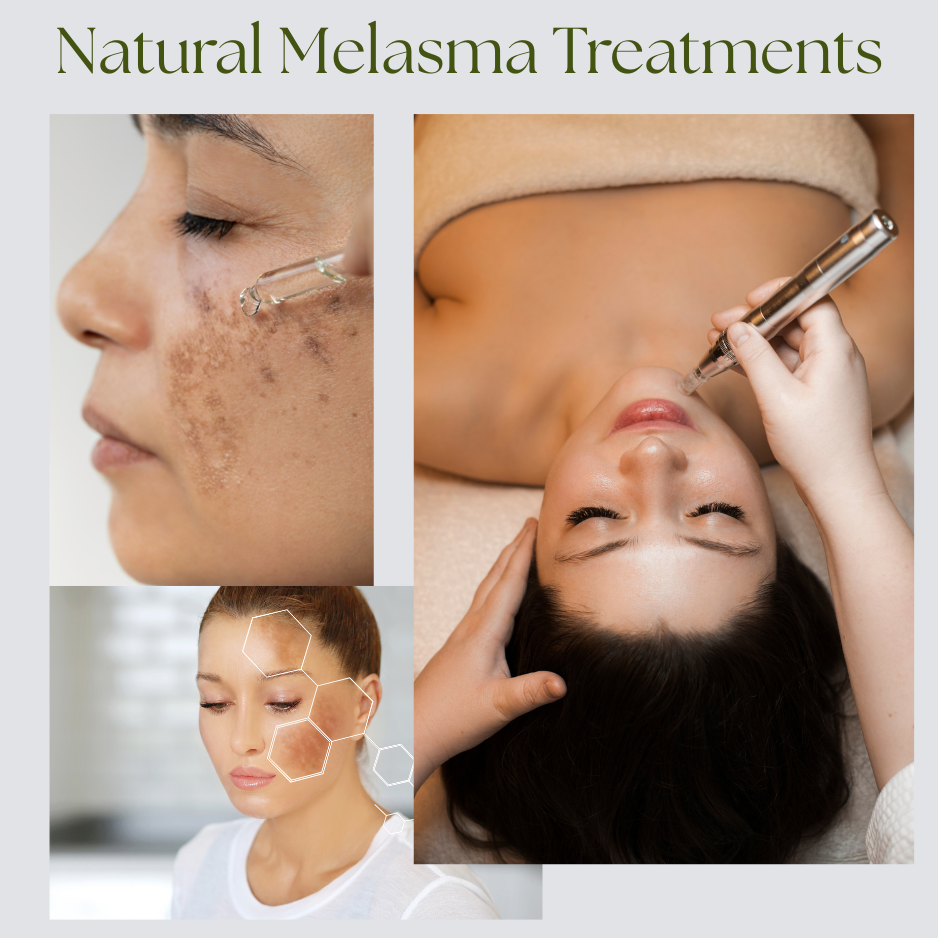
Skin health • Hyperpigmentation
Melasma 101: What It Is, Why It’s So Common, and How We Treat It
Melasma is one of the most common causes of facial discoloration—those patchy, symmetrical brown or gray-brown areas that show up on the cheeks, forehead, upper lip, or jawline. It’s driven by a mix of hormones, UV/visible light, heat, and skin inflammation—which is why quick fixes rarely last. The good news: with a calm-skin strategy and the right in-office plan, melasma can be significantly faded and maintained.
Book a Free Holistic Skin ConsultWhat exactly is melasma?
Melasma is a chronic hyperpigmentation disorder where melanocytes (the pigment-making cells) become more reactive. They produce and transfer extra melanin to surrounding skin cells. The result is a “map-like” pattern of deeper color, often in sun-exposed areas. It’s more common in women and in medium-to-darker skin tones, but anyone can develop it.
Why it’s so common: the simple science
| Driver | What it does | What that means for skin |
|---|---|---|
| Hormones | Estrogen/progesterone fluctuations (pregnancy, OCPs, perimenopause) can up-regulate melanocyte activity. | Even with perfect sunscreen, hormonal shifts can keep the pigment cycle active—so we also address the internal terrain. |
| UV & visible light | Sunlight (UVA/UVB) and high-energy visible light (especially blue light) trigger melanin production. | Daily, broad-spectrum SPF + iron-oxide–containing tints help block both UV and visible light exposures. |
| Heat & inflammation | Heat increases vascular signaling and skin inflammation, which can “wake up” pigment cells. | Hot workouts, saunas, steaming facials, or harsh peels may exacerbate melasma; we prioritize non-inflammatory care. |
| Barrier dysfunction | A compromised barrier lets irritants in and promotes cytokines that drive pigment. | Repairing the barrier (hydration, lipids, gentle exfoliation cadence) is foundational for any brightening plan. |
First, the fundamentals (home routine)
- Daily photoprotection: Broad-spectrum SPF 30–50 every morning; reapply every 2 hours outdoors. Tinted mineral formulas with iron oxides help with visible light.
- Cool the heat: Avoid hot yoga/saunas/steam on flare days; use cool compresses post-exercise; choose non-overheating workouts when possible.
- Barrier repair: Gentle cleanser, humectants (hyaluronic acid), barrier lipids (ceramides, cholesterol), and a smart exfoliation cadence (1–2×/week max if tolerated).
- Smart actives: Azelaic acid, tranexamic acid, niacinamide, vitamin C, kojic acid—layered thoughtfully to minimize irritation.
My in-office approach at Natural Care Doc
Sequenced for minimal inflammation, tailored to your skin type and triggers.
- Microneedling with Exosomes or PDRN (Rejuran-style): We pair precision microneedling with regenerative topicals (sterile exosomes or PDRN) to support repair signals, reduce redness more quickly, and improve texture/tone with a low-inflammation profile.
- Peptide-Forward “Signature Glow” Protocols: Nanoneedling + peptide complexes to enhance barrier resilience and evenness—ideal for sensitive or higher Fitzpatrick types.
- Customized Pigment Topicals: Physician-guided use of azelaic/tranexamic/kojic/niacinamide/Vit-C, balanced with barrier lipids and antioxidants.
- Internal Terrain & Hormone Support (as appropriate): For hormonally-linked melasma, we may evaluate stress/sleep, nutrition, and hormone balance options to reduce flare drivers from the inside out.
- LED Red/NIR: Low-level light to support wound-healing pathways post-procedure without heat.
Who’s a good candidate?
If your skin tends to flush easily, you’re photosensitive, or you’ve had pigment rebound after peels/lasers, you’ll likely benefit from a calm-first strategy that rebuilds the barrier, controls heat, and paces actives. We welcome all skin tones and tailor protocols to minimize PIH risk.
What results to expect & timeline
- Weeks 1–4: Barrier improvement, less redness/heat reactivity, subtle brightening.
- Weeks 4–8: More even tone; patch edges soften with consistent routine and session cadence.
- Weeks 8–12: Noticeable reduction in patch intensity; transition to maintenance and flare-prevention.
Melasma FAQ
- Will one treatment fix my melasma?
- Melasma responds best to a series + a daily routine. Think “program,” not “one-off.”
- What if I love hot yoga?
- We’ll strategize: timing, post-class cooling, and barrier support so you can keep what you love with fewer flares.
- Can I wear makeup?
- Yes. Prefer mineral, iron-oxide–tinted formulas that add visible-light protection.
- Do I need lab or hormone work-ups?
- Sometimes. If your history points to hormonal influence or inflammation, we can discuss targeted testing and holistic interventions.
About Natural Care Doc Holistic Medspa: We serve Paradise Valley (Phoenix) and the surrounding Scottsdale metro with integrative, hormone-informed regenerative aesthetics. Every plan is customized to your skin tone, lifestyle, and goals.
Book Your Free Holistic Skin Consult


Leave a comment
This site is protected by hCaptcha and the hCaptcha Privacy Policy and Terms of Service apply.