BOTANICAL NO. 09
Ginkgo
Ginkgo biloba
The Tree That Outlived the Dinosaurs
Some plants have interesting histories.
Ginkgo has an entire prehistoric résumé.
Its ancestors existed more than 200 million years ago, long before humans walked the Earth.
And while countless plant species disappeared over time, ginkgo survived.
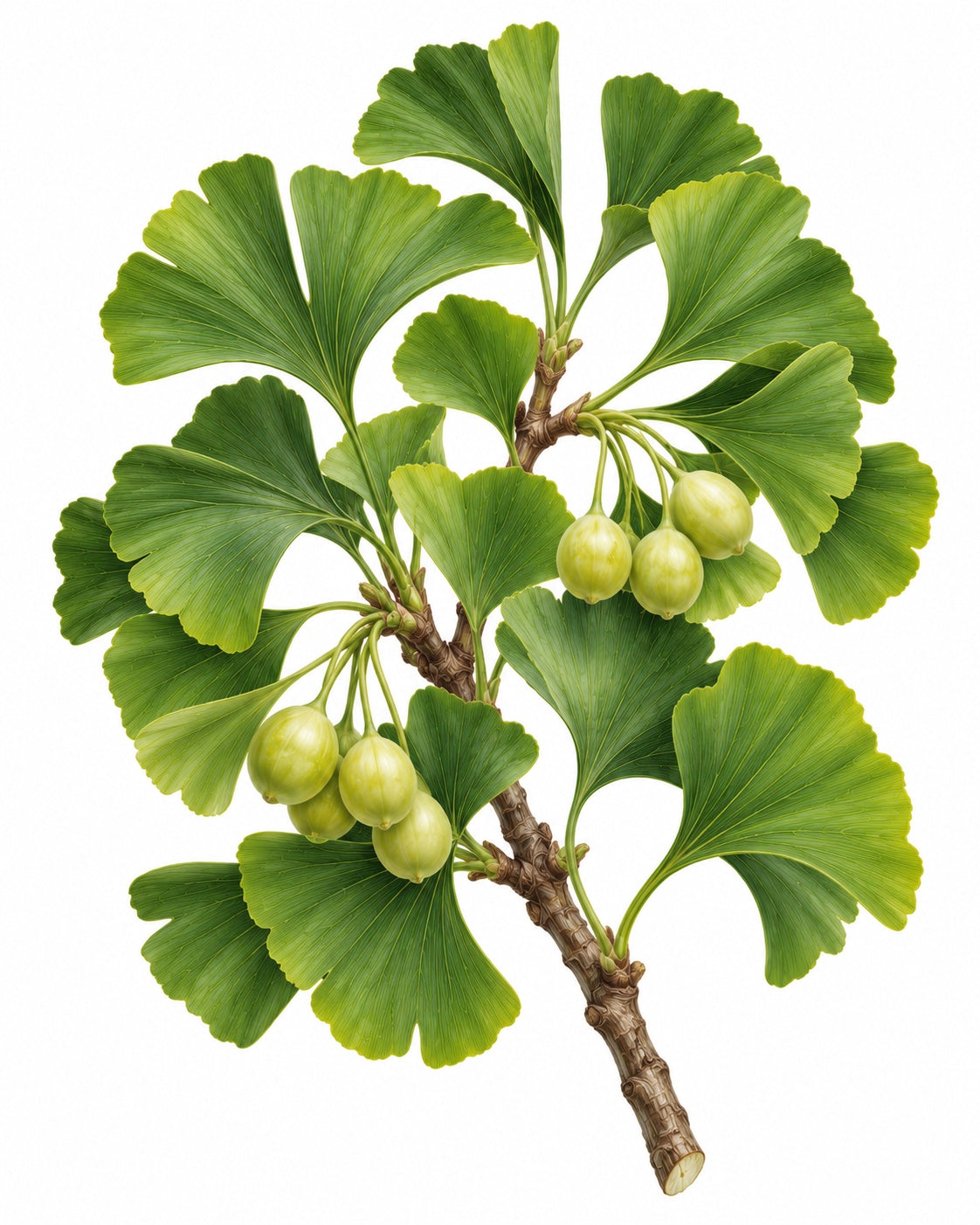
Today, its distinctive fan-shaped leaves make it one of the most recognizable trees in the world.
It’s often called a living fossil.
Which is a pretty impressive title for something growing along city sidewalks.
An Ancient Tree With Deep Cultural Roots
Ginkgo is native to China, where it has been cultivated for centuries.
The tree holds cultural significance in East Asia and is often planted near temples and historic sites.
Its seeds have appeared in traditional Chinese food and medicinal practices, although they require careful preparation because they contain potentially toxic compounds.
Ginkgo leaf preparations became especially prominent in modern herbal medicine, particularly through the development of standardized extracts.
It’s important to distinguish these traditions and preparations: historical Chinese medicinal uses of ginkgo seeds are not the same as modern research on standardized ginkgo leaf extracts.
The Science Behind the Story
Ginkgo leaves contain several groups of interesting compounds, including flavonoid glycosides and terpene lactones, such as ginkgolides and bilobalide.
Researchers have investigated standardized ginkgo leaf extracts for their relationships with nervous-system function, oxidative stress, inflammatory signaling, and blood circulation.
In herbal terminology, ginkgo is sometimes described as a neurotropic or neuroprotective botanical and a cerebral circulatory stimulant.
Those terms reflect proposed actions and areas of research, not guaranteed clinical effects.
Some laboratory studies have explored how ginkgo compounds interact with pathways involved in nerve-cell function and cellular protection.
Human studies have also investigated standardized ginkgo extracts for cognitive outcomes, although results are mixed and do not establish broad cognitive benefits for healthy individuals.
And here’s an important detail:
The standardized extracts used in much of this research are not equivalent to simply steeping ginkgo leaves in hot water.
Why We Chose It for Focus Ritual
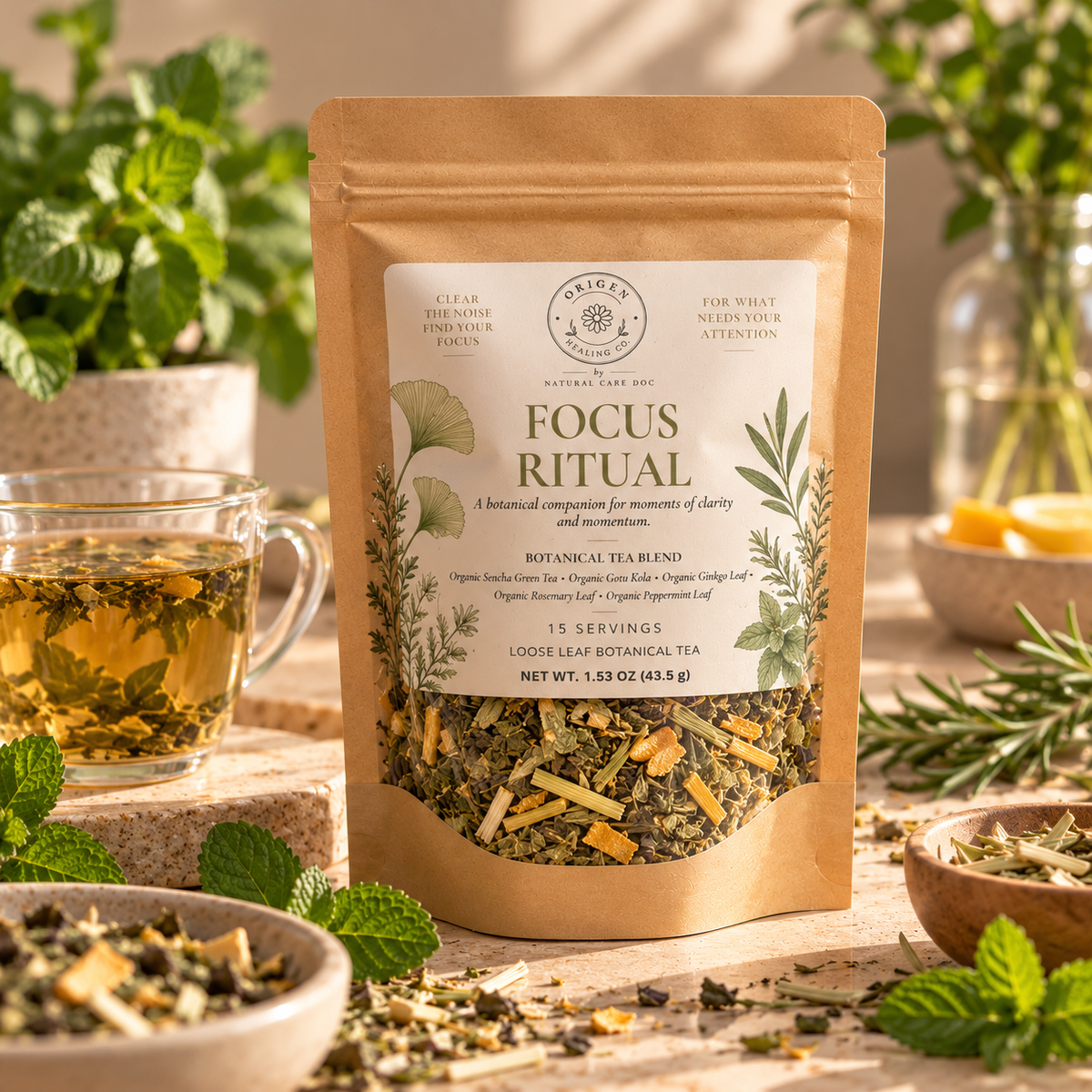
Ginkgo’s extraordinary botanical history and the scientific interest surrounding its leaf compounds made it an intriguing addition to Focus Ritual.
Its traditional and modern associations with cognitive research complement the story behind the blend.
Ginkgo also contributes a mild, green botanical character that works alongside sencha, gotu kola, rosemary, and peppermint.
For us, it’s an opportunity to introduce people to a plant whose story spans prehistoric forests, centuries of cultivation, and modern scientific investigation.
Not bad for a leaf shaped like a little fan.
Experience Ginkgo
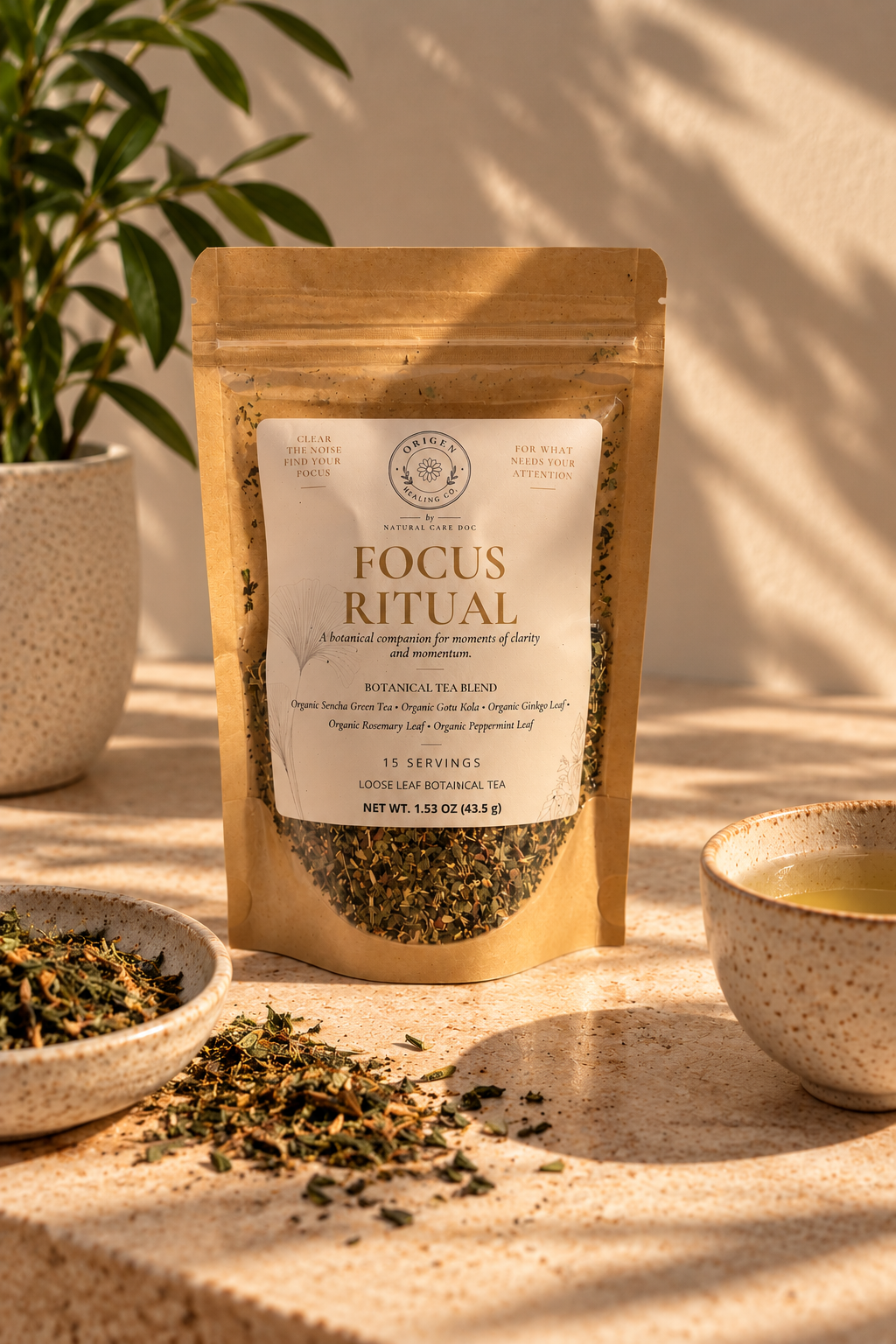
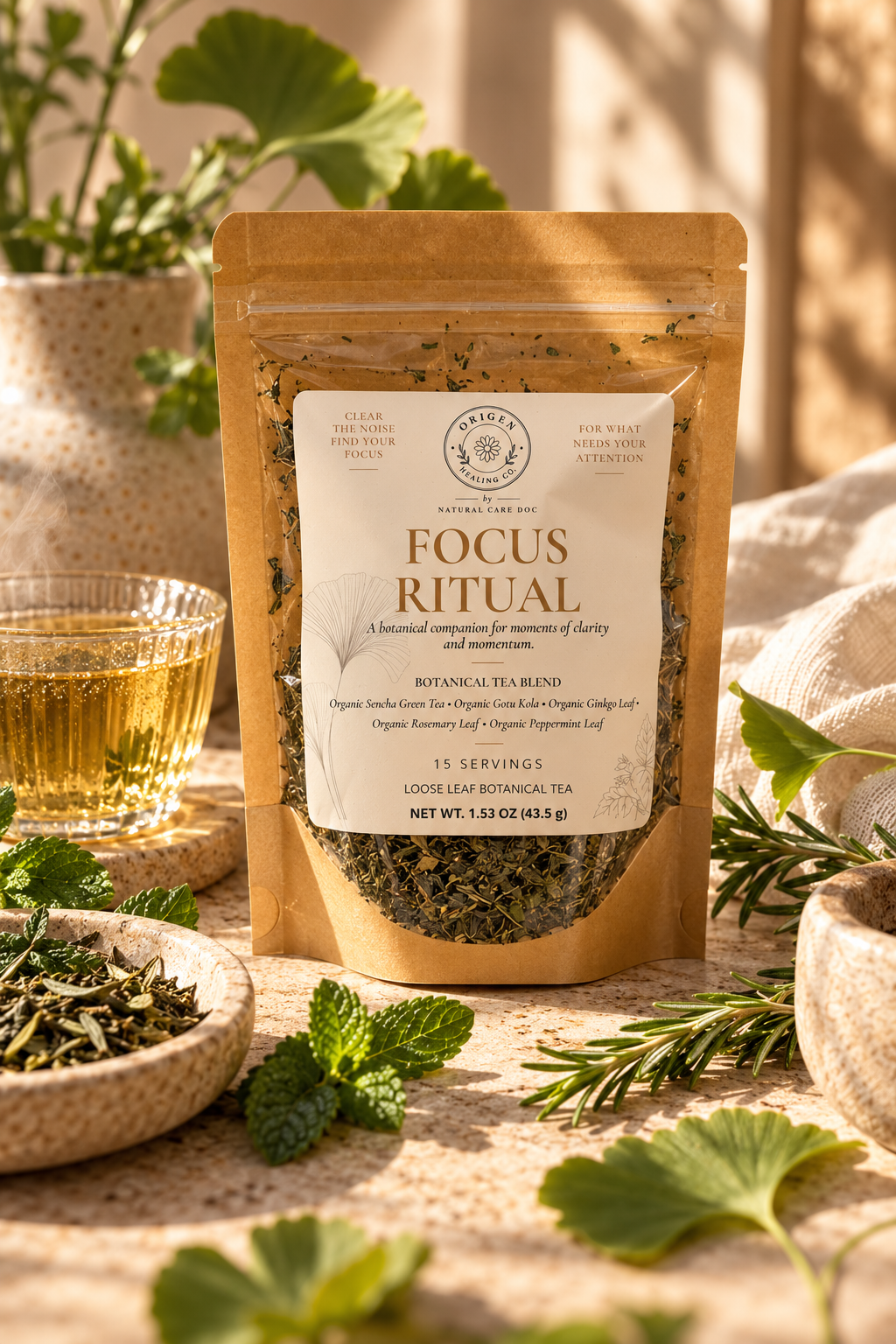
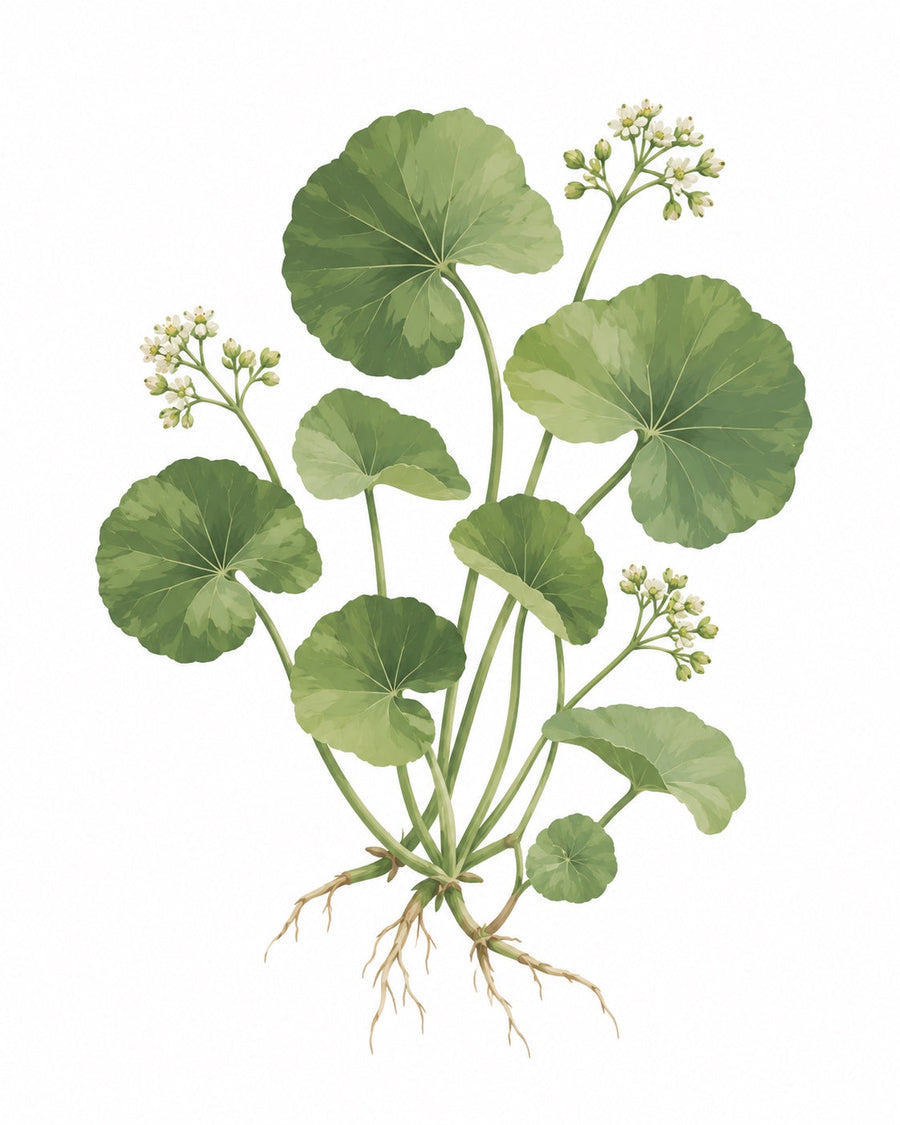
Discover ginkgo alongside sencha green tea, gotu kola, rosemary, and peppermint in Focus Ritual.